




Which puzzle games should I try first?
Clever Games is a free online collection of word, logic, number and knowledge puzzles. A puzzle can start with a blank grid, a handful of letters, a picture or a question. Each gives you a different kind of decision to make. A crossword invites you to read a clue in a new way. A deduction grid invites you to rule out an impossible match. A quiz asks whether you can recall a fact or recognize a connection. Browse the catalog for whichever of those decisions sounds enjoyable today.
Use the category filters to narrow down the free puzzle games. Choose Words if you want to work with vocabulary, Logic if you want to follow a chain of clues, Numbers if you enjoy patterns and placement, or Knowledge if you like answering questions. If a description catches your eye, open the page and read the goal first. Knowing what a finished board looks like makes the first move easier.
Which word games help me practice vocabulary?
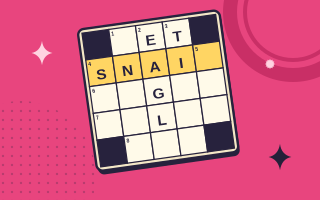
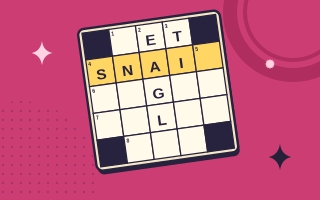
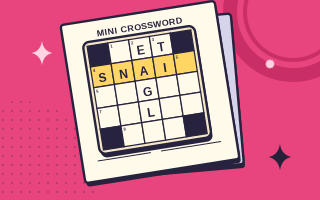
Word puzzles give you a reason to think about how words are spelled, what they mean and how they relate to one another. In a crossword, begin with a clue that suggests a specific answer. Then let the crossing letters help you with an entry that could have several answers. Read the whole clue again once you have a few letters. Its tense or phrasing may tell you something you missed on the first pass.
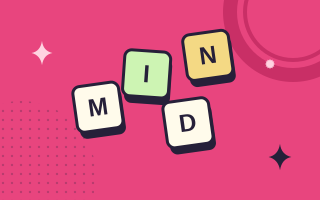
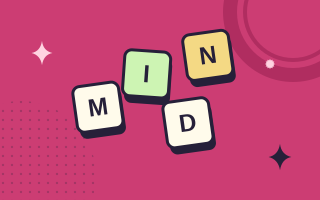
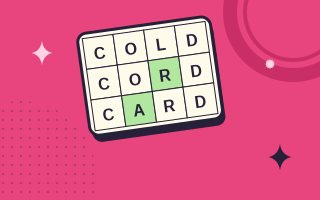
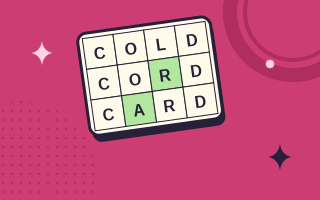
For a different kind of word game, try taking a group of letters apart and putting them back in a new order. Find a familiar beginning or ending, then see what can fit around it. In a word ladder, think about the step before the final word as well as the step after the starting word. Working from both ends can reveal a route you would have missed by starting from just one.
If you meet a new word in an explanation, say it in a sentence you would actually use. A familiar example gives you something to recall the next time you see it. You can also return to a format you know when you want daily word games with a familiar set of rules.
How do I get started with brain puzzles?
Logic puzzles ask what must be true given a set of clues. If a puzzle matches people to places, start with a clue that rules out a particular pairing. Then check what that leaves open in the same row or column. Once only one match is possible, look for how that match affects the other clues. Each small conclusion can make the next step easier to see.
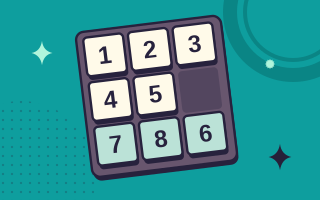
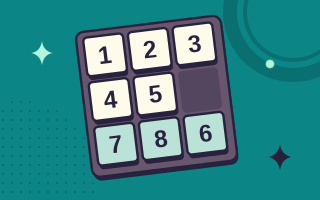
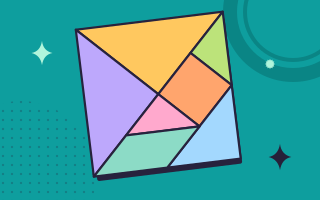
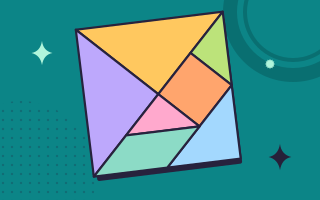
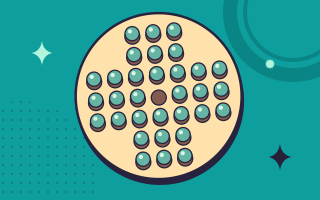
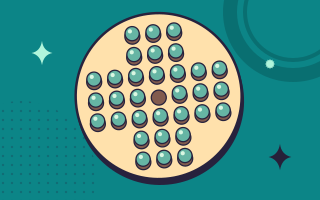
As you go, trace each conclusion back to the clue that supports it. If two clues seem to disagree, revisit the earliest assumption you made about that row. Some brain puzzles use pieces or positions instead of a list of matches. Study the spaces with the fewest ways for a piece to fit. On a sliding board, decide where a piece needs to end up and which free space will let you move it there. After making a move, check the pieces you already placed. Planning around them is part of the challenge.
How do I find patterns in number puzzles?
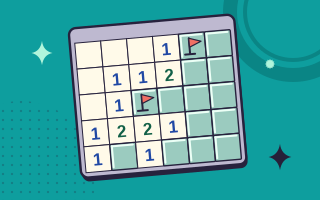
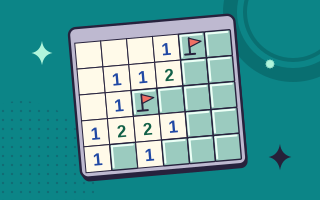
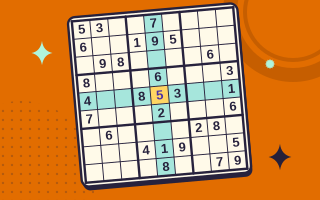
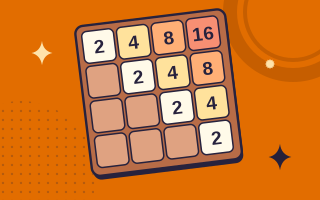
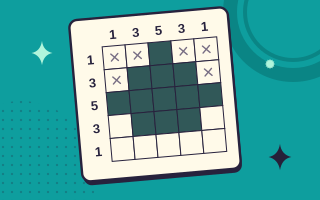
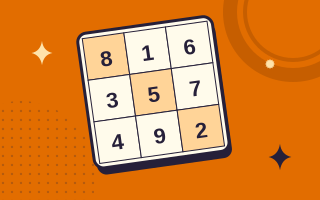
In a number grid, a symbol can tell you where another symbol cannot go. Start by scanning a nearly complete row, column or region and list the values that are missing. Check each candidate against the rest of the board. A value that fits in just one position gives you a move you can explain. If a puzzle offers pencil marks, use them to keep track of possibilities you still need to check.
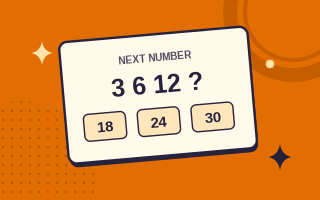
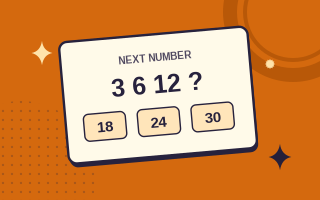
Other number puzzles ask you to recognize a sequence or arrange values under a different rule. Test a pattern against more than one example before committing. If the first two values seem to suggest a rule, check that the next value follows it as well. When two rules look plausible, look farther along the sequence for a place where they give different answers.
How can a quiz help me practice recall?
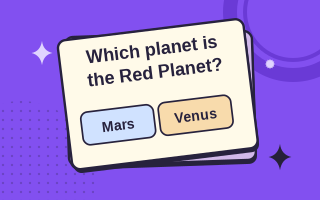
A knowledge quiz gives you a chance to bring a fact to mind. Try forming an answer before looking closely at the choices. If the choices look familiar, see whether you can explain why one fits the question. After answering, read the explanation when one is available. Connecting an answer to a place, an event or something you already know can give you a way to remember it later.
Visual brain teasers often depend on noticing a detail before interpreting it. Describe what you see, including the order and position of the parts. An object drawn inside another object or a word repeated in an unusual place may be a clue in itself. If your first answer leaves part of the picture unexplained, look for a reading that accounts for the whole image.
Which free puzzle games fit a short break?
For a short break, choose a format you already know or use Quick to find a shorter puzzle game. If you have longer, choose a new category and read through an example before you start. The estimated time on each card is a rough guide to a typical round and can help you compare puzzles. Your own time will vary with the rules, difficulty and how familiar the format is. Use a hint or choose another mode whenever that makes play more enjoyable.
For a shared session, choose an easy puzzle with rules everyone can read together. Take turns explaining what you notice, especially when there are two plausible answers. For solo play, the daily set gives you a few options when you come back. Each filled dot marks a day in the last five when you solved that puzzle. Your Brain profile shows how your completed solves compare with your most-solved category, so it can help you decide whether to revisit a favorite or try something different.
If you are browsing free brain games and every option looks unfamiliar, start with the kind of clue you like to notice. A short word puzzle is a good fit if a surprising definition makes you curious. Try a number puzzle if you would rather test where a value can fit, or a knowledge quiz if you enjoy the explanation after the answer. When you find a format you like, swap difficulties or modes to change the challenge while keeping the rules familiar.
How do I choose a daily puzzle?
Use the estimated time on each card to plan a break. These are editorial estimates for a typical round, not averages measured from other players. Quick includes estimates strictly below three minutes. Your best time is personal and appears only when a timed result is available on this device.
| Category | Starting point |
|---|---|
| Words | Look for a familiar word ending or crossing letter. |
| Logic | Eliminate one impossible move. |
| Numbers | Check a nearly full row first. |
| Knowledge | Recall an answer before reading the choices. |
On a family device, take turns explaining one move. For memory practice, look away from a clue and recall its details before checking again. Daily puzzles change at midnight UTC. Once the catalog has loaded, you can browse it offline; the featured puzzle can use resources already saved on this device.
Which free word games for adults work well on a break?
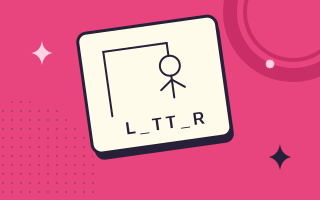
The best word games for a short break let you make one small decision at a time. In Word Ladder, change a single letter and read the word aloud before changing the next one. If you prefer word puzzle games with a visual clue, try a rebus. Say what you see first, then listen for a phrase that fits. These free online word games use different skills, so a familiar clue in one can give you a fresh starting point in the other. If you like to play word games online free of charge, nothing here needs a sign-up or a download.
How can I play word games online with the family?
If you typed puzzles games into a search box, this catalog is what you were looking for: every puzzle is listed on one page with a short description and an estimated time.
Pick an easy round and let each person suggest one answer before you reveal a clue. Playing free word games online on one device makes it easy to discuss a spelling or explain why two clues point to the same word. To keep word games free of time pressure, agree on a shared goal, such as finding one crossing word together, and take a break there.
Which brain games for seniors focus on memory?
Memory Match lets you practice recalling positions. Name a picture and its position to yourself before turning over the next card. If you prefer brain training games that use words, recall yesterday’s unusual answer and try it in a new sentence. This is a way to practice a specific task. Your profile counts puzzles solved and makes no claim about changes in memory or health.
Where can I find cool puzzles with a visual solution?
Try moving a shape, tracing a maze or reading a picture as a phrase. Visual brainteasers give you a way to test an idea even when you cannot yet describe the answer. For puzzle games for adults who enjoy planning ahead, try predicting the effect of a move before making it. When playing puzzle games online free of charge, you can leave one format and try another without spending a credit or starting a subscription.
About Clever Games
Clever Games brings browser puzzles and quizzes together with their rules and instructions. You can open a puzzle from the hub or follow the breadcrumbs back after a round. Your solve history stays in your browser, and so do your milestone badges: a first solved puzzle, streaks of 3, 7 and 30 days and one badge for every puzzle whose levels you have all solved. Each goal is visible in advance, nothing is random and nothing is taken away. If you share your Brain profile, the image is made on your device and includes your category totals and current streak.
Questions about puzzle games
What are puzzle games?
A puzzle gives you a goal and a set of rules. You might fill a grid, uncover a hidden word, arrange objects or work out an answer from clues. The rules tell you how to check each move and when you have solved the challenge.
Where can I play free puzzle games online?
Open a puzzle from the catalog on this page. The puzzles run in your browser without an account. The puzzle page explains its controls and available modes, so you can read the rules and play in the same place.
What is the Puzzle of the Day?
It is the featured puzzle on the hub. When a featured puzzle is available, choose Play today’s puzzle to open it here. The featured puzzle rotates at midnight UTC as the puzzles in the rotation become available.
Which free word games can I play online?
The Words filter shows the available online word games. Try clues and crossing letters if you enjoy crosswords, letter arrangements if you like anagrams, or word ladders if you prefer changing one letter at a time.
How do I choose the best puzzle games for a short break?
Start with the Quick filter and look for familiar rules. Use the estimated time on each card as a rough guide: it is an editorial estimate for a typical round, not an average measured from players. A new type or a harder difficulty may take longer than the typical round.
What are good brain games for adults who enjoy deduction?
Start with the Logic filter if you like narrowing the possibilities from clues. If you prefer working through a board, try a number grid. For a change of pace, a visual brain puzzle asks you to work with shapes or positions.
How should I approach hard puzzles?
Read the goal, then find the part with the fewest possibilities. Write down or mark what the clues let you rule out. If a puzzle offers a hint, look for the reason behind the suggested move before continuing.
How do daily puzzles count toward my streak?
Finish a puzzle successfully on a UTC calendar day to count that day toward your cross-puzzle streak. Solving several puzzles on the same day still counts as one day. Your Brain profile and streak use the solve history stored in this browser.
Updated